
In this post, we share our process and progress in designing the next phase of developing our garden at Belper Lane End.
Context: Since February, 2021, Earthed Up! rents the land. We started with the top half of the garden and access to the shed. October 2022 we were given access to the whole garden.
We use permaculture design to make plans in the nursery. At the core of permaculture are 3 ethics: care of the earth, care of people, and redistribution of surplus (also know as fair shares).
Ethical considerations
Earth: Our gardens are off grid. We try hard not to buy brand new plastic. We favour secondhand materials and intercept waste streams where we can to limit natural resource use and carbon emissions.
People: As a workers co-operative, we believe in paying for work. We make decisions through consent and communicate regularly and openly. If/when engaging volunteers, there should be fair exchange. We also have a selection of herbal teas, boil water with a Kelly kettle, and could always improve our selection of baked goods!
Fair: In sourcing, we prioritise buying from cooperatives, local is preferred, and small business over large multinationals.

We haven’t in all earnest followed a firm design process up to now. We have been consciously observing the physical space all of 2023 and have information and feedback from the year’s operations.
GoSADIM feels aligned with how we’re working on this project and feels suitable to communicate progress and move us along to the design phase and beyond.
Goals
We would like to:
- Propagate more plants, using time and space efficiently
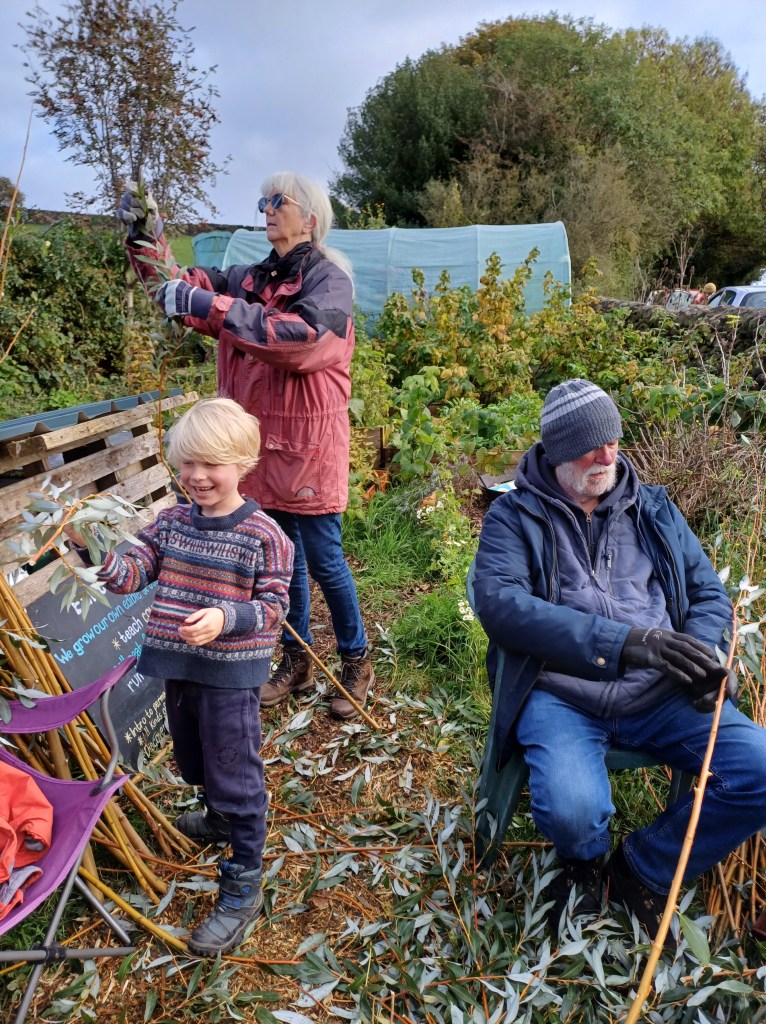
- Work alongside one another
- Have a plant and compost sales area
- Provide a comfortable learning environment
- Demonstrate edible and useful plants
Survey
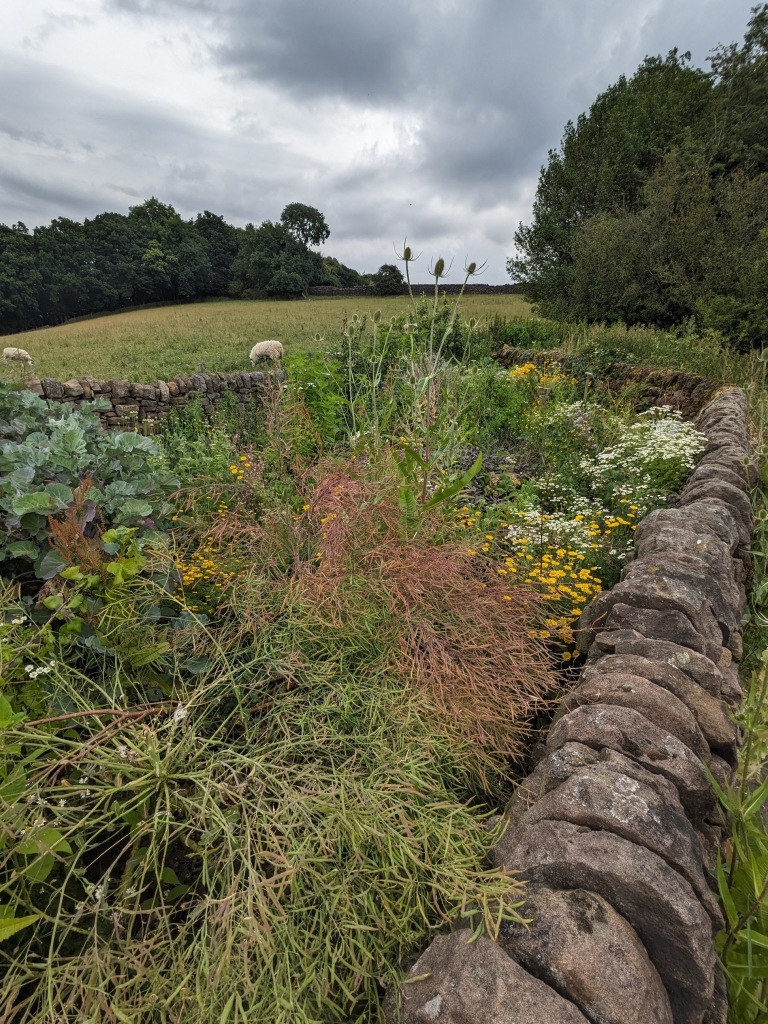
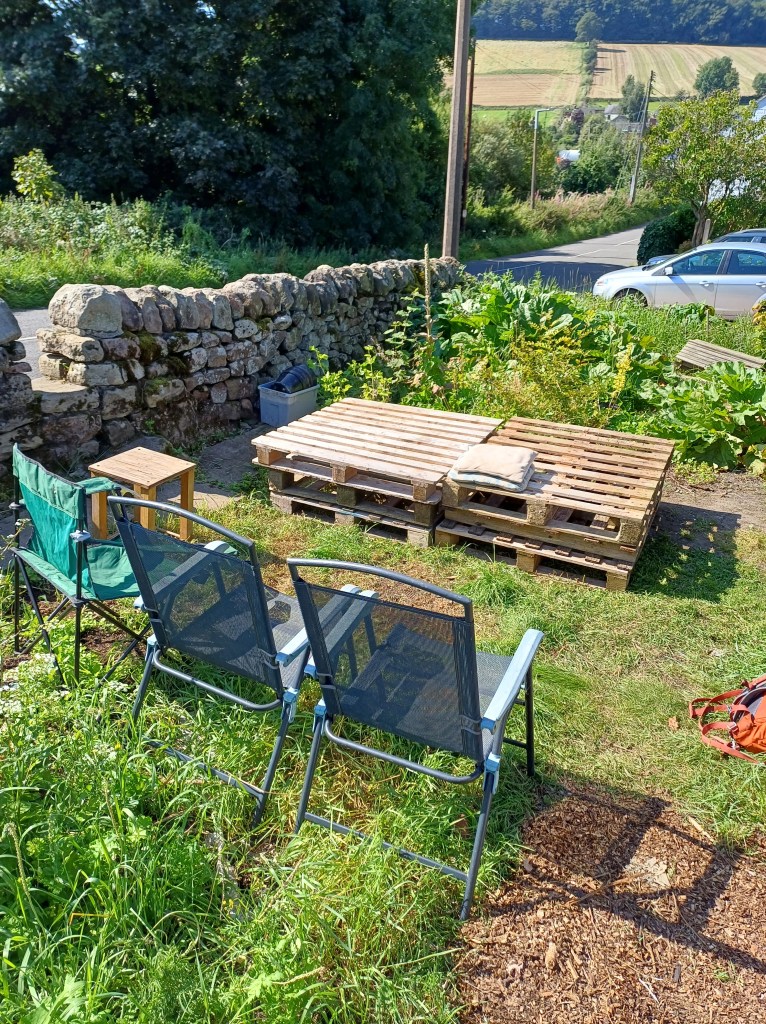
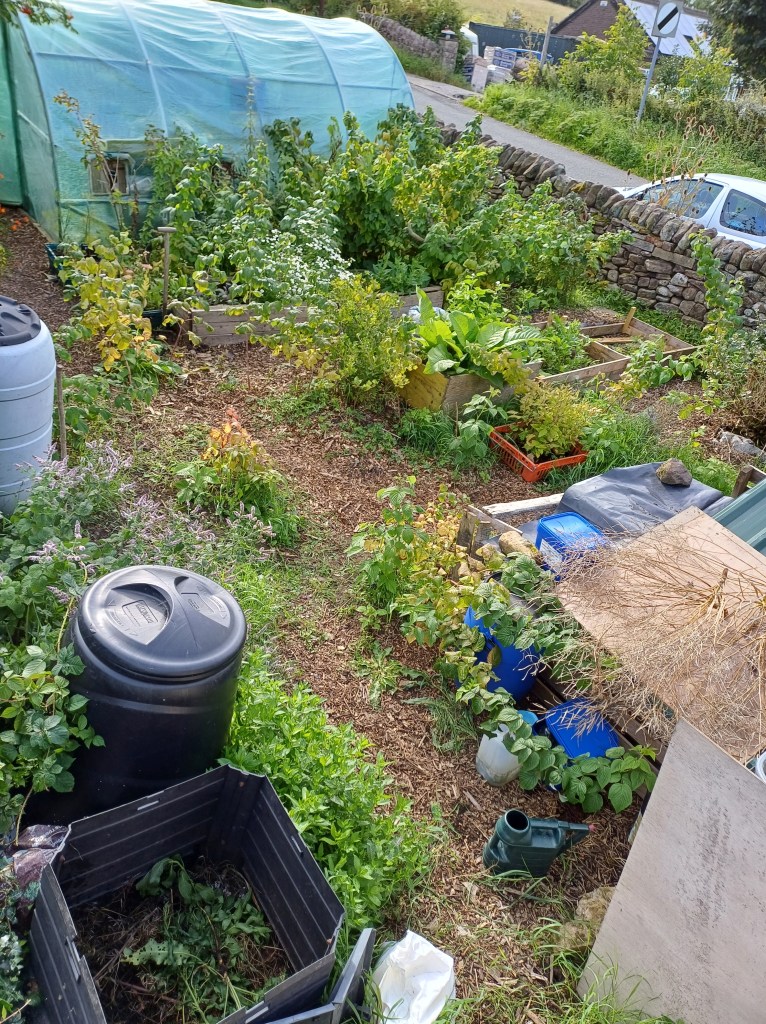
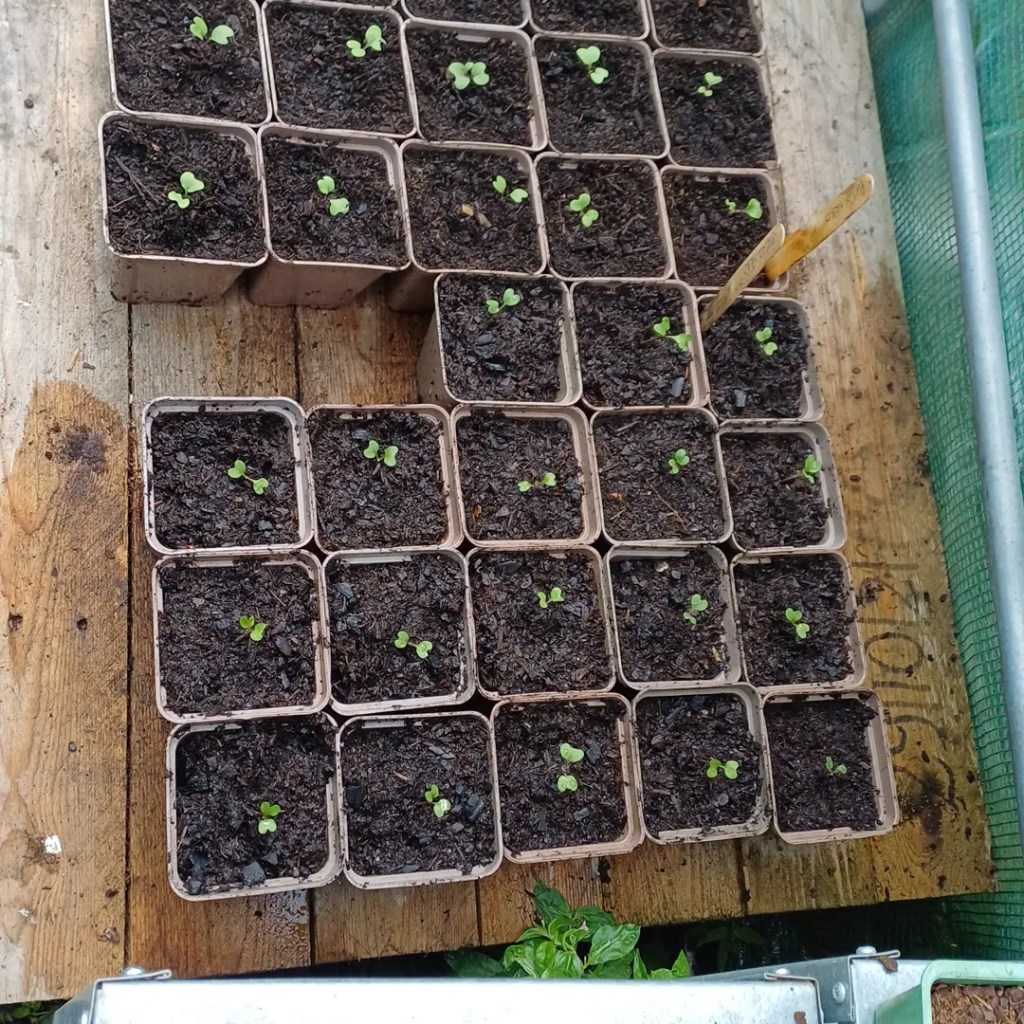
In photos, here’s the space at the moment.



Analysis
Plants: In the area to be designed, there are clumps of comfrey at the southwestern edge, there are fruit shrubs heeled in, there are 3 rhubarb crowns.
Animals: 3 workers, compost worms, visiting mice and rat, small birds including territorial robin and wren, slugs, snails, caterpillars, cows and sheep next-field.
Structures: workers co-op, dry stone wall, slab paving, shed and decking, existing polytunnel and coldframes, compost systems, 2 1000l IBC water tanks, 2 water butts.
Events: day to day plant and garden work, regular Spring opening, courses and workshops, compost deliveries, prepping for markets, packing mail order.
Design
Pattern: A multifunctional polytunnel for growing on/sales/learning, with demonstration beds on the outer edges.
Details: Using Yeoman’s scale of permanence, it suggests in this design we approach landscaping, water, paths, polytunnel, fencing, then soil.

Briefly: 1. create a channel from shed roof rainwater harvesting to polytunnel beds, 2. test flow of water from IBCs to polytunnel, 3. lay woodchip paths following desire lines, 4. reskin the existing polytunnel and site a new polytunnel; modify existing plant and potting benches and make new ones as required, 5. consider fencing needs for safety and clarity, 6. build soil in tunnel and new beds surrounding, using multiple techniques.
Concept drawing to follow.
Implement
This work is beyond our usual operations, so needs extra resources. There is a quite firm timeline in that we need functional propagation space in late winter and sales area in Spring.
We will fundraise for materiale and our time through a crowdfunding campaign. We could welcome volunteer helping in early 2024 to work on the polytunnels and benches.
 Earthed Up!
One thought on “Designing the next phase of our garden”