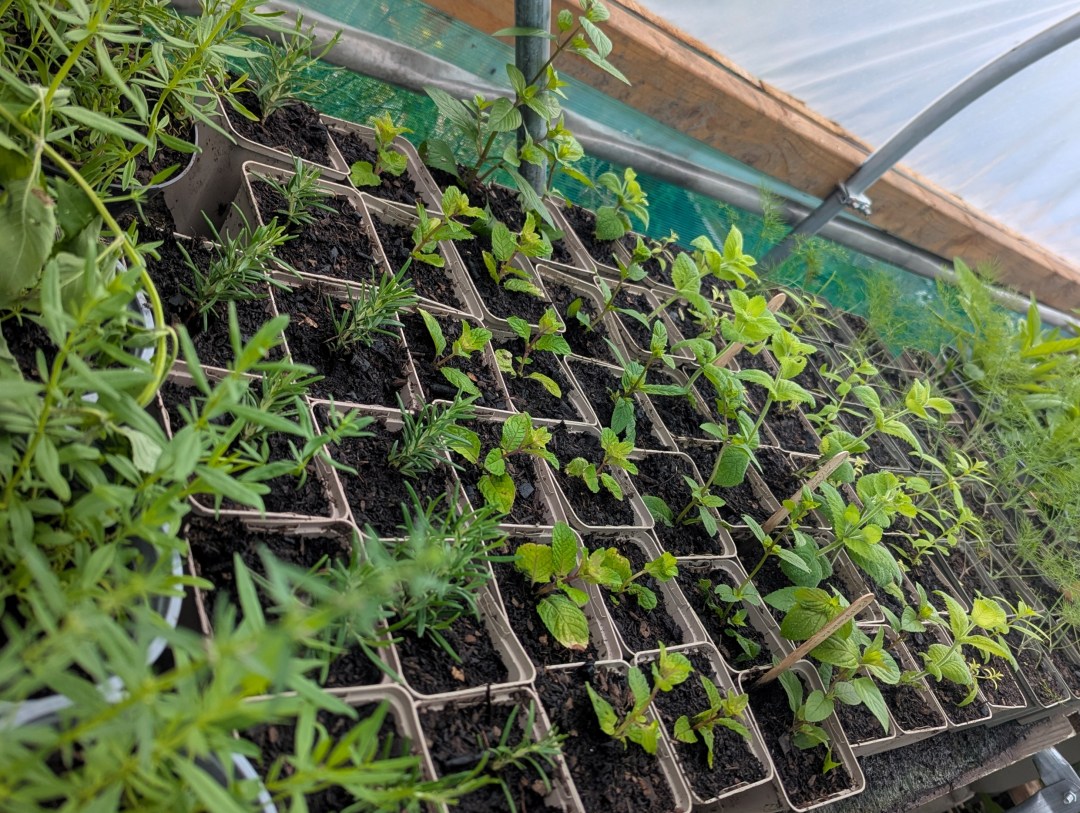
We grow perennials: vegetables, culinary & medicinal herbs, flowers, and fruit.
We’re growing over 100 varieties of edible and useful plants in 2026. Availability naturally changes throughout the year.
Download our 2026 growlist to see what we may have available. If there is a specific plant on our list you are looking to source, please feel free to contact us to confirm availability or it may be possible to pre-order.
Where to buy our plants:
- From our online shop, reopening in autumn 2026
- By visiting the nursery when we are open (the days/times on the homepage are always up to date!)
- Or find us on one of the local markets and at plant fairs – scroll down the courses and events page for a list.





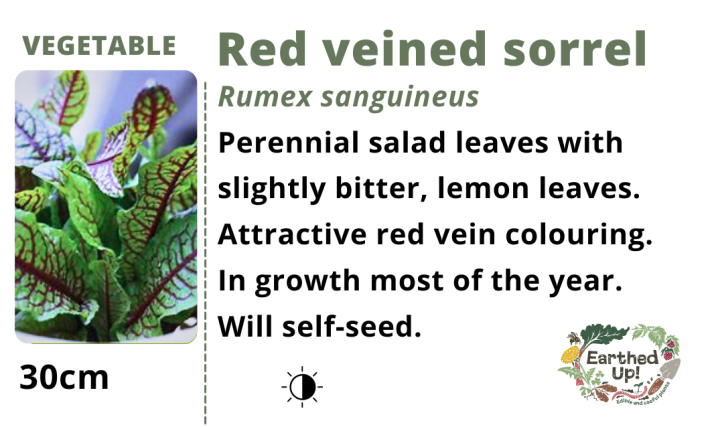


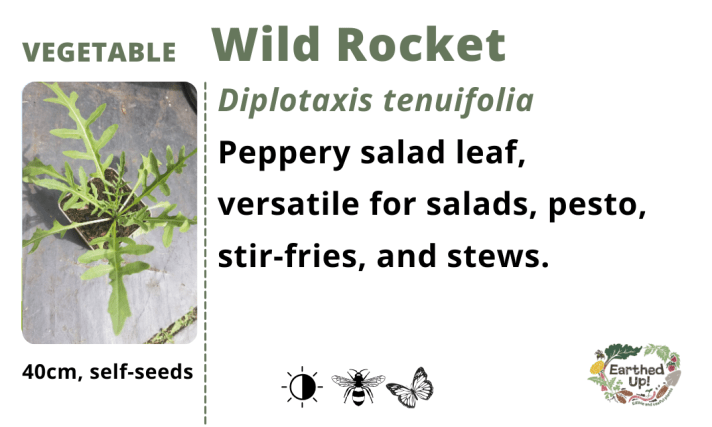


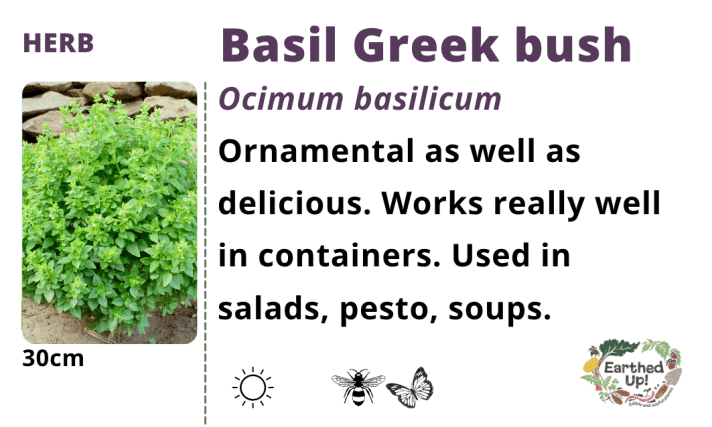
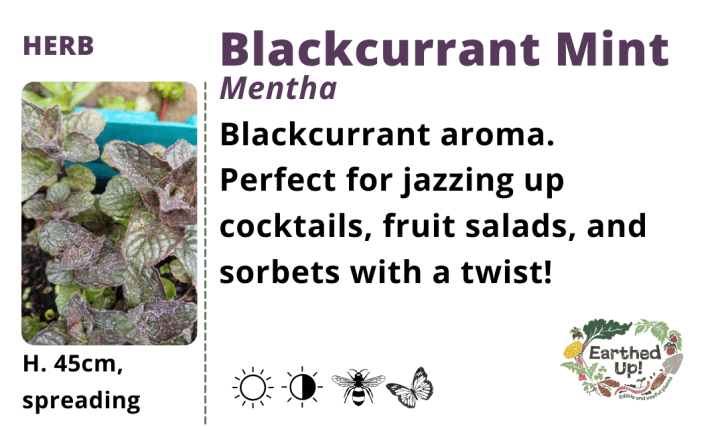

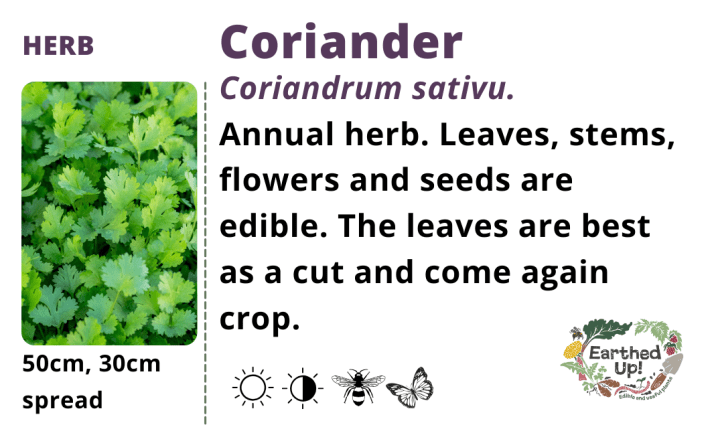
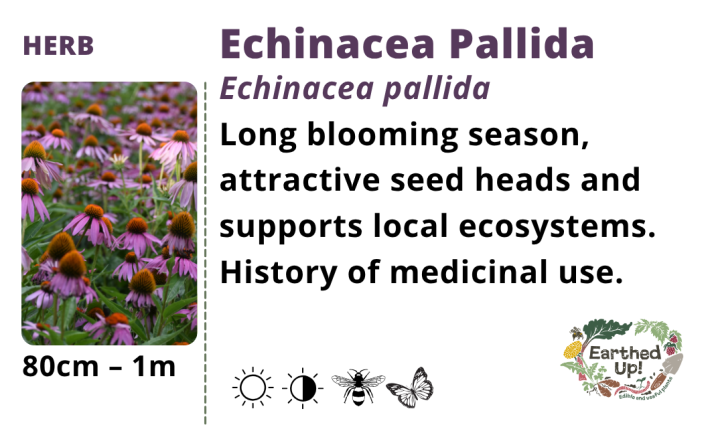


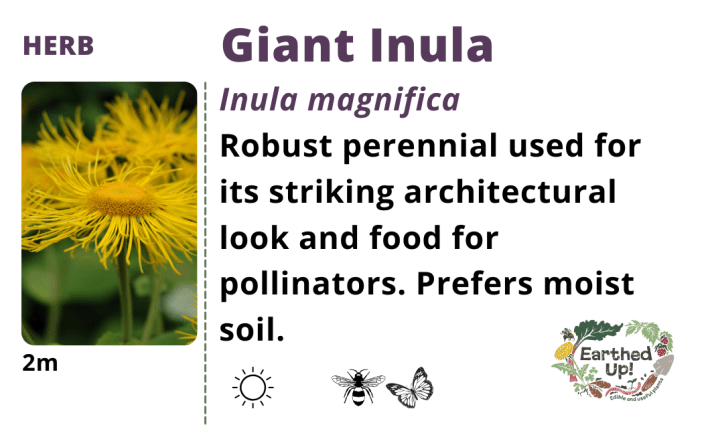
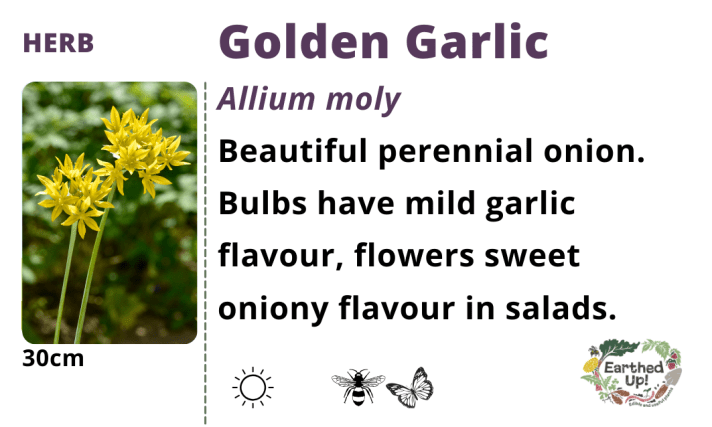
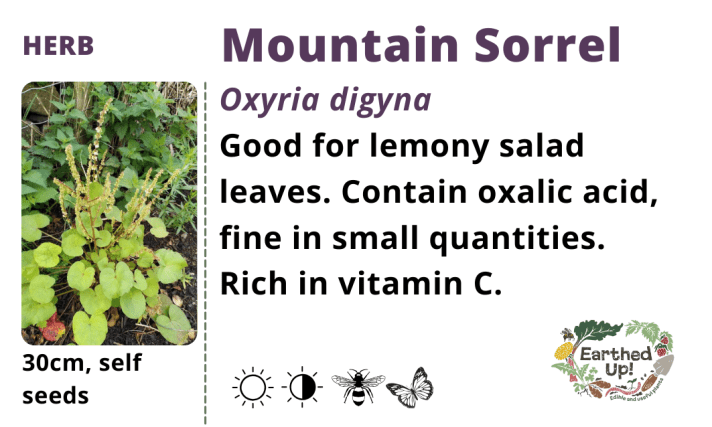

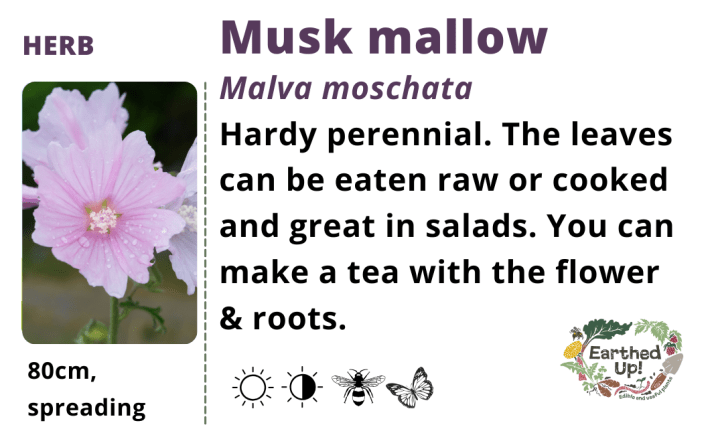
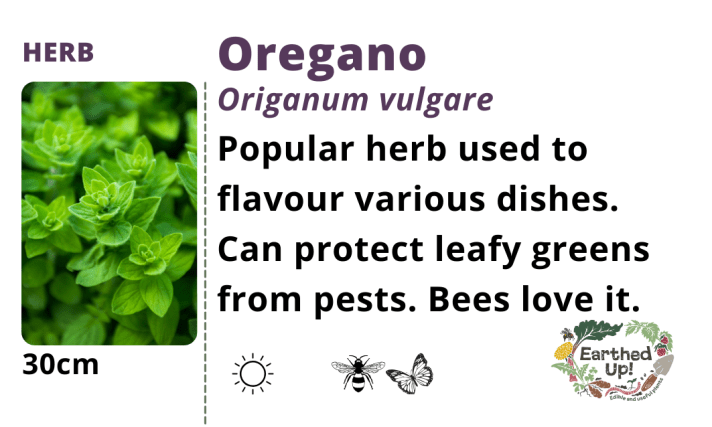
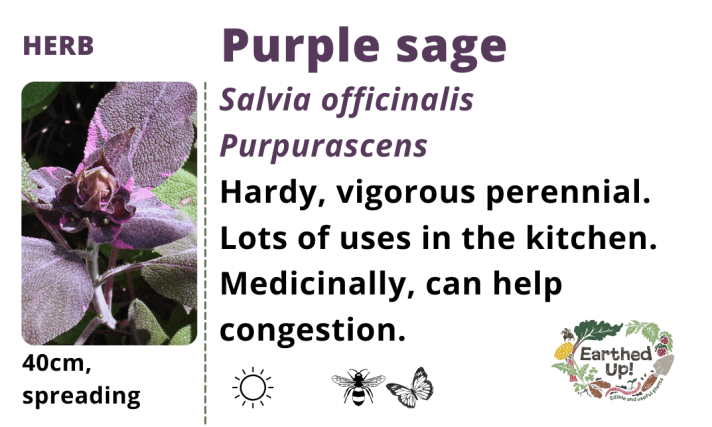
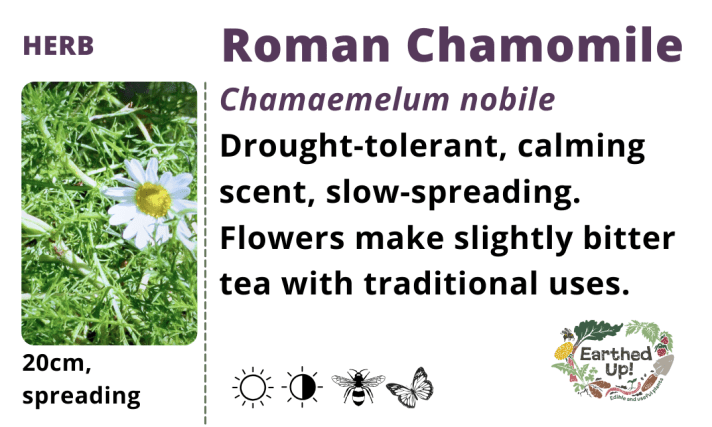

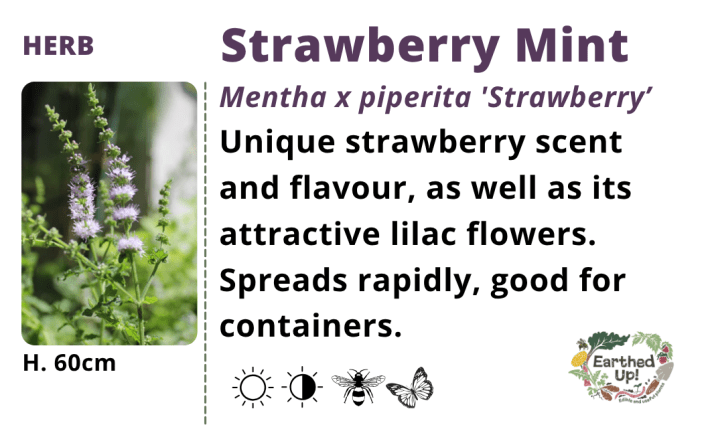
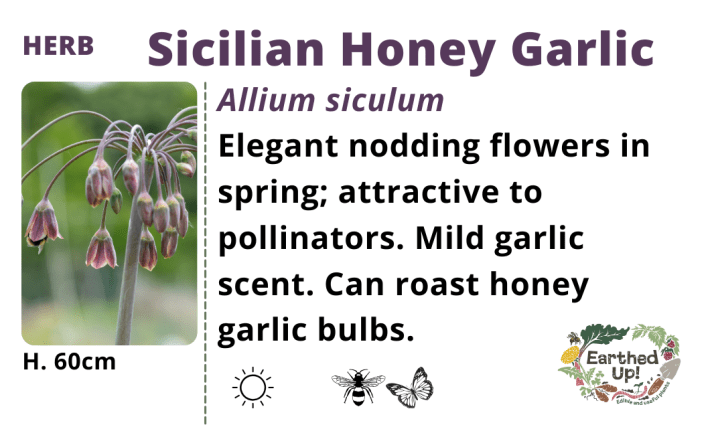
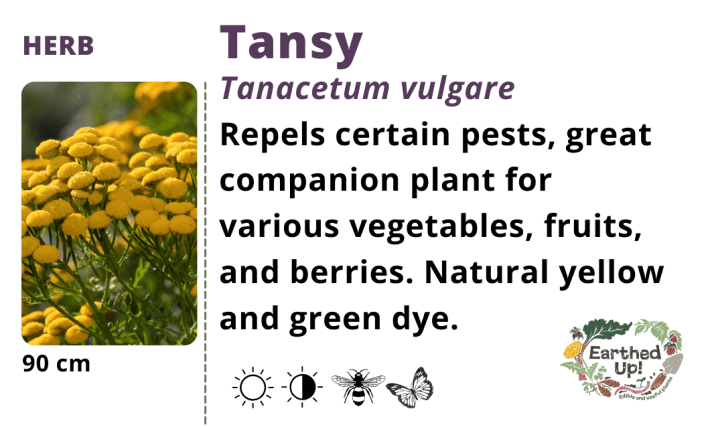


How we grow
We are an agroecological plant nursery growing our own plants, peat free, without harmful chemicals.
We:
- Grow our own plants, rather than buying in plugs from abroad and growing them on. We occasionally buy from other agroecological peat free nurseries
- Blend our own peat free compost, including biochar made by us
- Use rainwater to irrigate
- Feed plants regularly with natural feed
- Use recycled pots and wooden labels
- Harden off plants so they’re ready to plant in your garden
- Check every plant for insects and diseases, removing them if ever there are issues
We don’t:
- ❌️ Use heated spaces, we’re off grid. That means a low ecological footprint and hardy plants
- ❌️ Use peat, vermiculite or perlite. Ever. They have significant ecological impact and they’re not necessary for us
- ❌️ Use chemical fertiliser in the plants we grow
- ❌️ Use slug pellets, netting, or any ‘cides; we actively promote biodiversity in our gardens
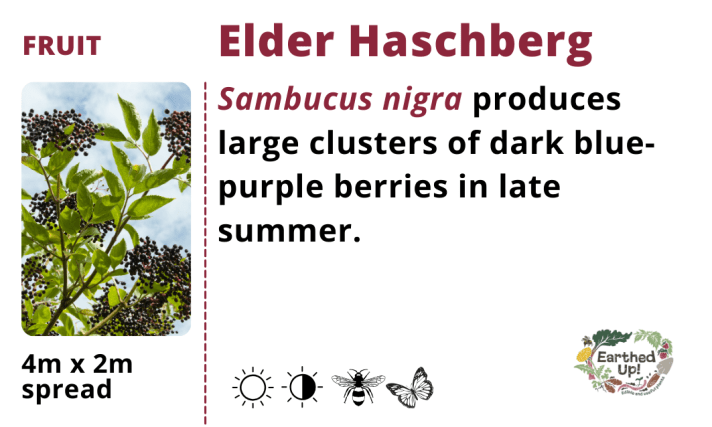
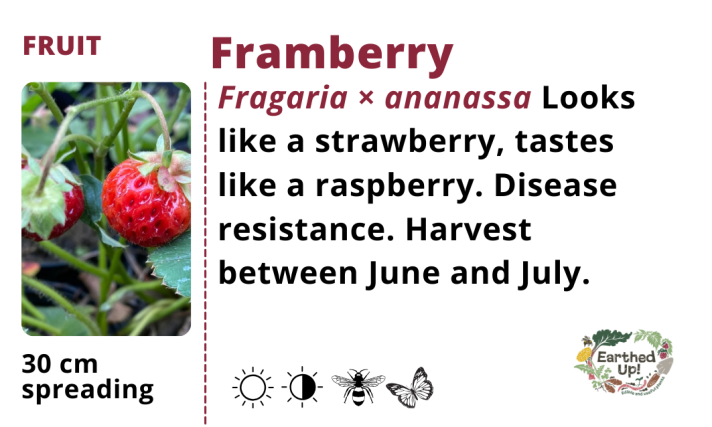
Plant profiles – a selection of what we grow
Fruit

Growing Plants in the End Times
At the time of writing the UK has hit its fifth heat wave of the summer. The land is parched beyond recognition, a swathe of tinder dry pale yellow that crunches to dust…
More info…
Black Lace Elder
Another plant which we are selling Black Lace Elder left me slightly flummoxed. Black Lace Elder, edible? We are all familiar with it for its dramatic black foliage and beautiful pink flowers but…
More info…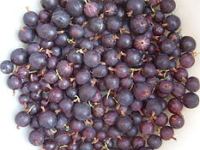
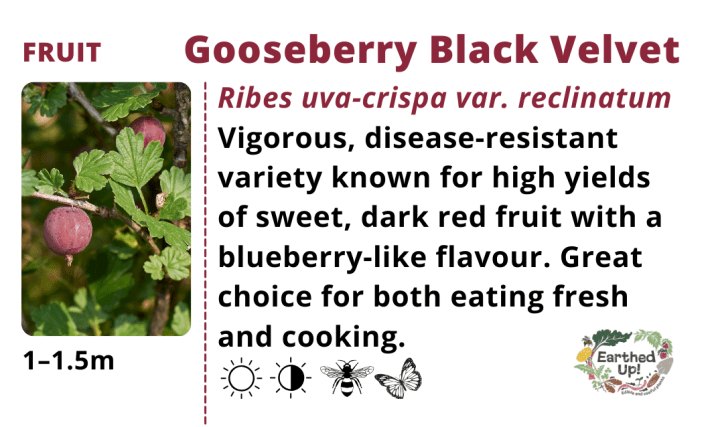
Gooseberry ‘Red Velvet’
Supplied bareroot, so needs to be potted or planted when you get home. 2 year old plants approx. 60cm tall and bushy, that need to grow on before fruiting. A small, spiny plant,…
More info…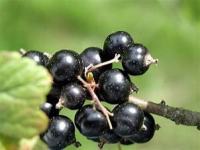
Blackcurrant ‘Ben Nevis’
Supplied bareroot so needs to be potted or planted when you get home. 2 year old plants that need to be grown on before they will fruit (likely another year). Blackcurrants appreciate fertile…
More info…
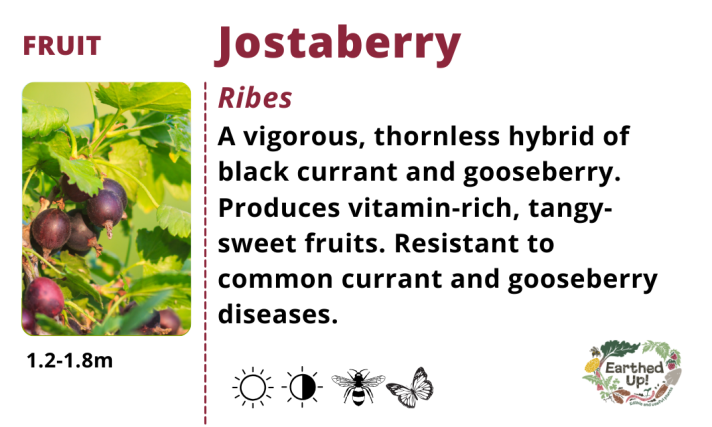
Jostaberry
As the days finally become colder it’s worth taking stock of spaces in the garden or replacing small fruit shrubs that are no longer productive. Every year I look at my fruit bushes…
More info…Herbs and Vegetables
Perennial vegetables essentials
The phone kept ringing this week. It’s the time of year people are making garden plans for the year. Vegetable beds full for as much of the year as possible, it’s what we want…
More info…
Babington’s leek
Native to the UK, Babington’s Leek is one of the tastiest, low maintenance and easy to grow perennial vegetables. It is thought that Babington’s Leek may originate from cultivation of vegetables by monks. It…
More info…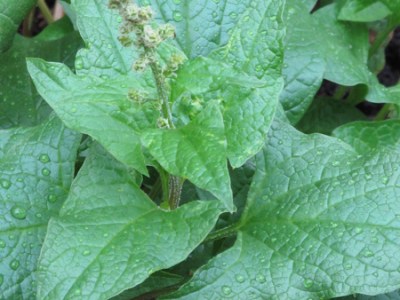
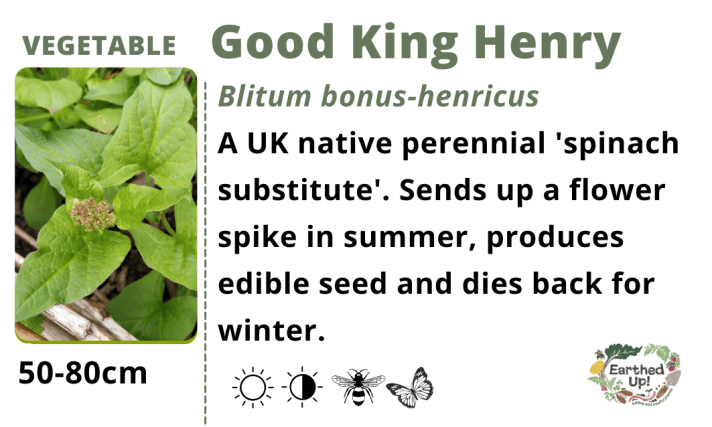
Good King Henry
Spring greens are an ancient tradition that is well worth keeping alive, and Good-King-Henry (Chenopodium bonus-henricus) is an easy-to-grow herb rich in iron and vitamin C that blends well with such better-known potherbs as…
More info…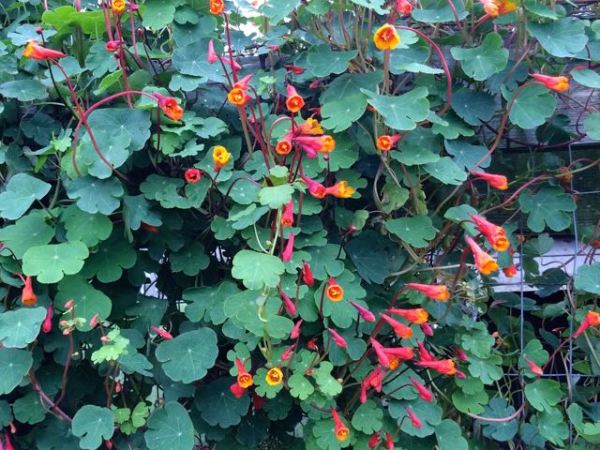
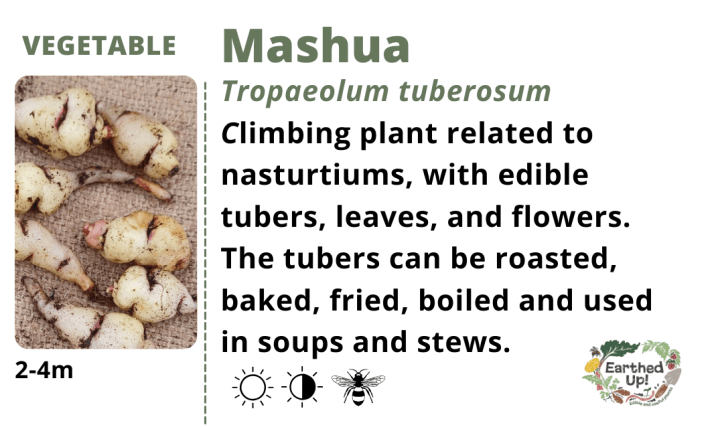
Mashua
Mashua, Tropaeolum tuberosum, is a perennial cousin of the nasturtium. It comes from the cool, tropical highlands of the Andes, where it is grown as a food crop. You can boil, mash, roast or fry…
More info…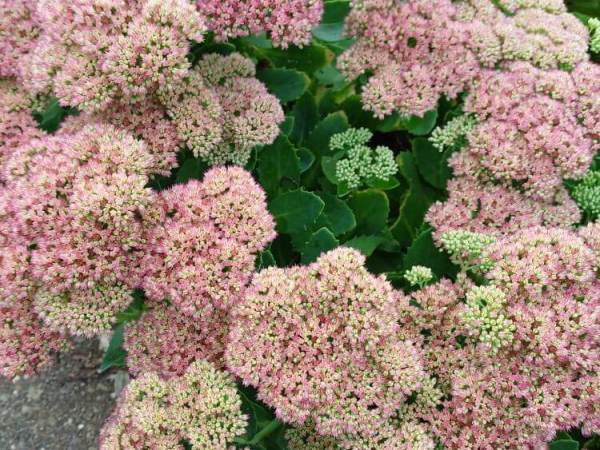
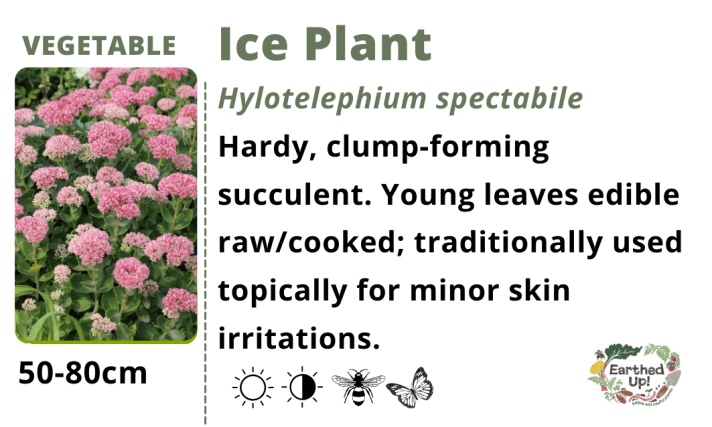
Ice Plant
What is an ice plant?? The Ice Plant is drought tolerant. It is a hardy succulent, perennial ground cover plant which produces daisy like flowers that bees love!! It is called Ice Plant because…
More info…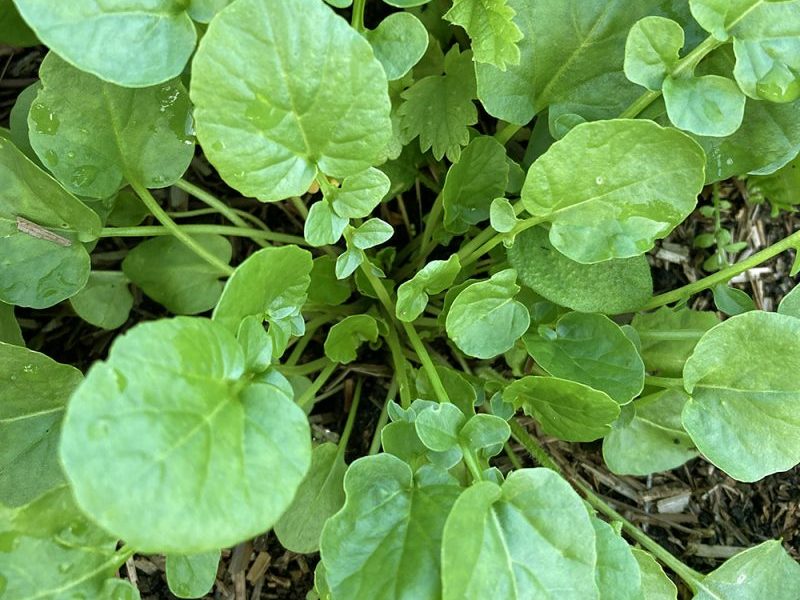
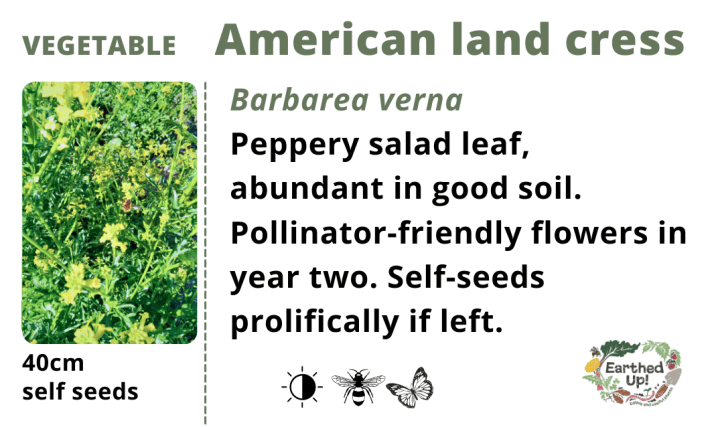
Land Cress
Upland cress or land cress (Barbarea verna) is a great substitute for watercress and can be a delicious addition to salads and since it is hardy, it can make it right through the winter…
More info…
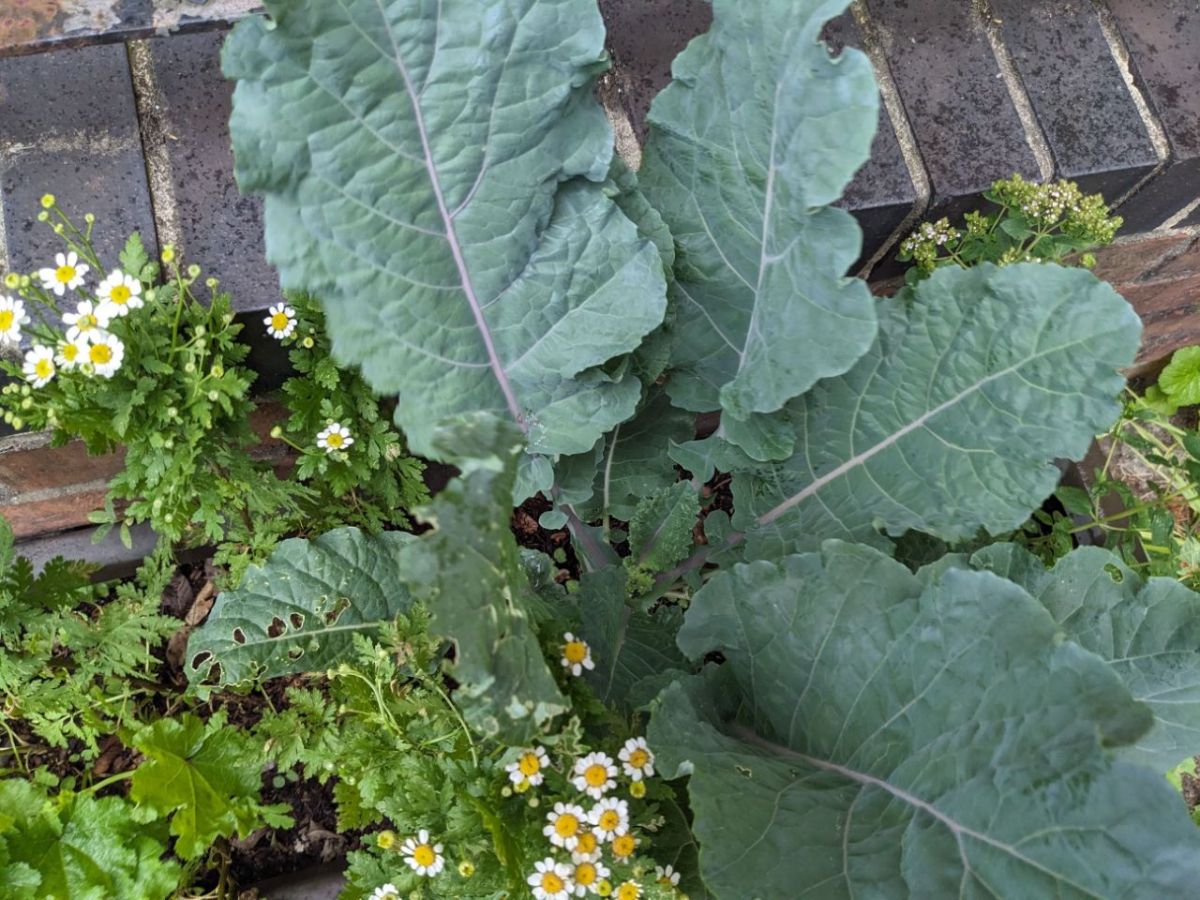
Red Ruffled Kale
A vigorous green kale with red veins and wonderfully ruffled leaves. Grown long enough it will yield a delicious kale raab, somewhat like the popular broccoli. For leaf harvests, this kale is very hardy,…
More info…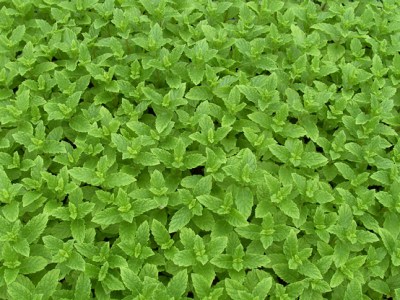
Moroccan Mint
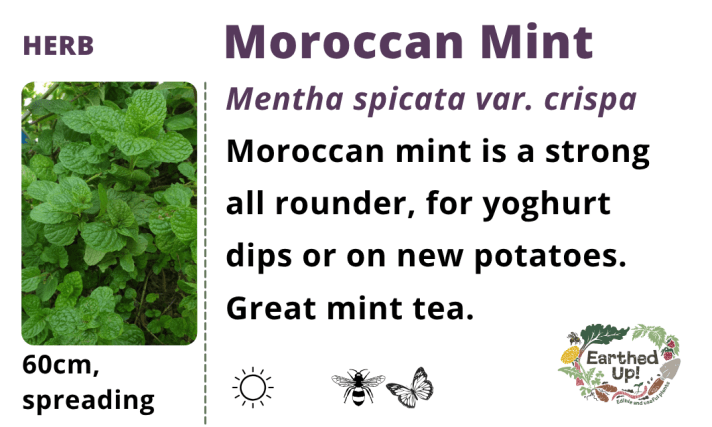
Moroccan mint looks very similar most common mint varieties but is more compact in shape. The leaves are a bright green color, with slightly toothed edges. The plant itself has soft stems and the…
More info…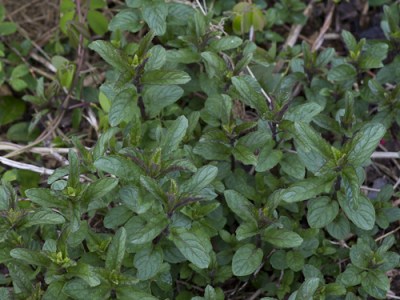
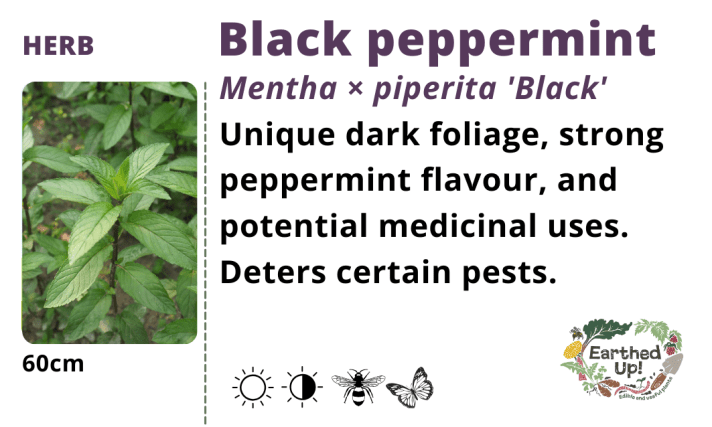
Black Peppermint
Black Peppermint is a vigorous grower that will grow happily in a container. You can pick the leaves when needed and freeze or dry the leaves for winter use. It flowers pale purple flowers…
More info…Dye Plants
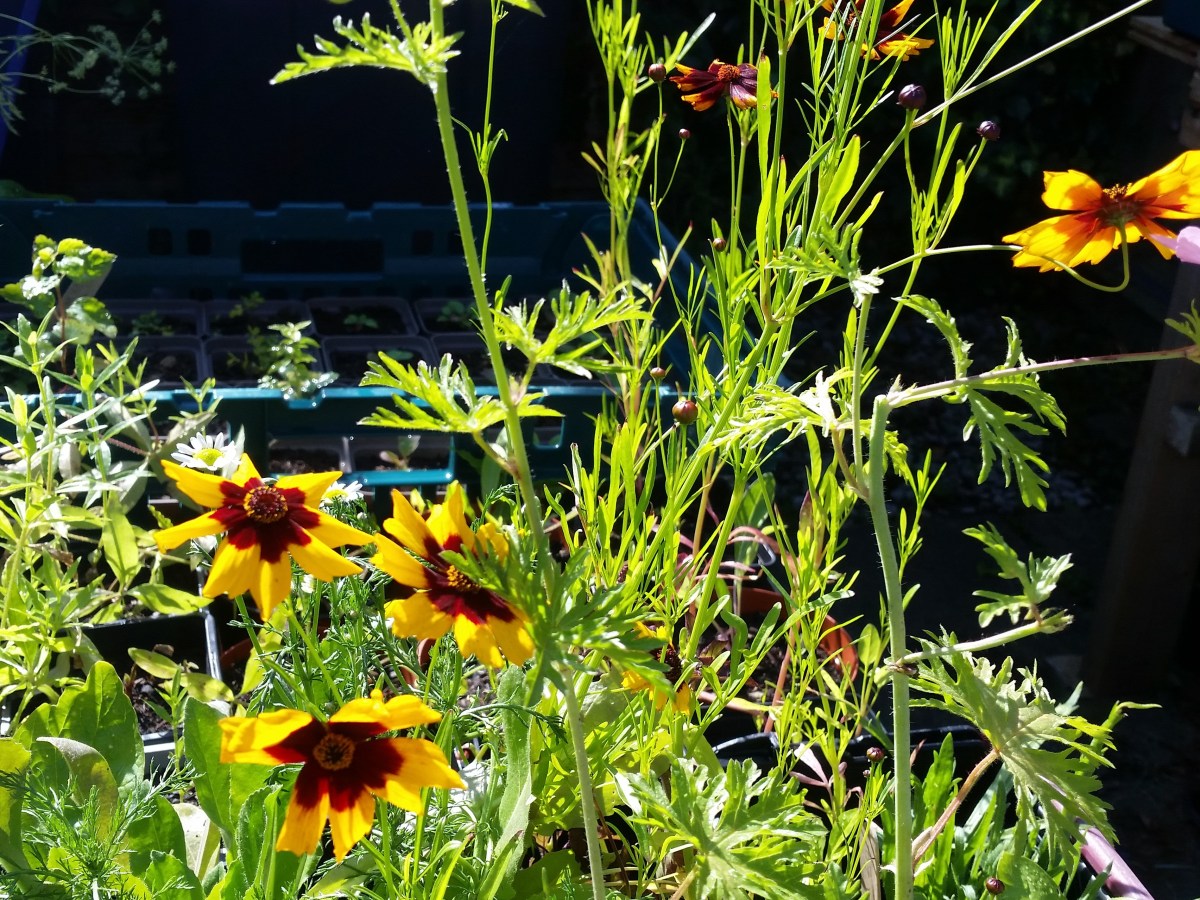
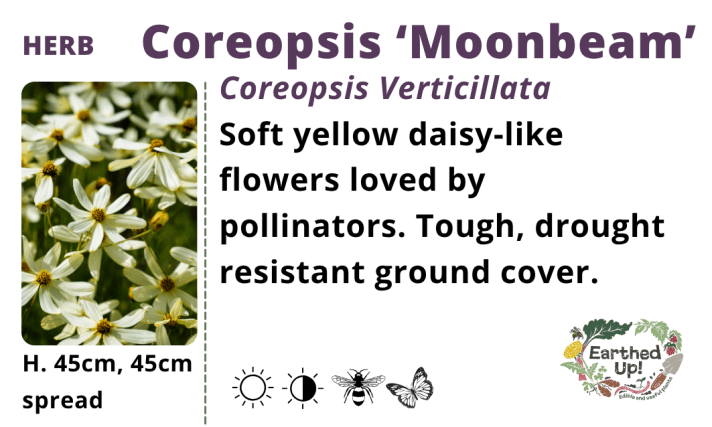
Dyers Coreopsis
Earthed Up! grow edible and useful plants and we have a range of plants for dyeing fibres, such as perennials Madder and Dyers chamomile. The range also includes…
More info…We are also growing dyer’s chamomile, madder, woad, and weld.
Root crops
Skirret
Introduced by the Romans but unfortunately largely forgotten. A perennial parsnip, sort of. Delicious, nutty roots form like fingers, cook by boiling or roasting briefly. Some roots have a tendency to have a woody core. Great pollinator plant, being an umbel it’s attractive to hoverflies. Grows to 1.8m. Unfussy – sun to semi-shade, does better when wet.
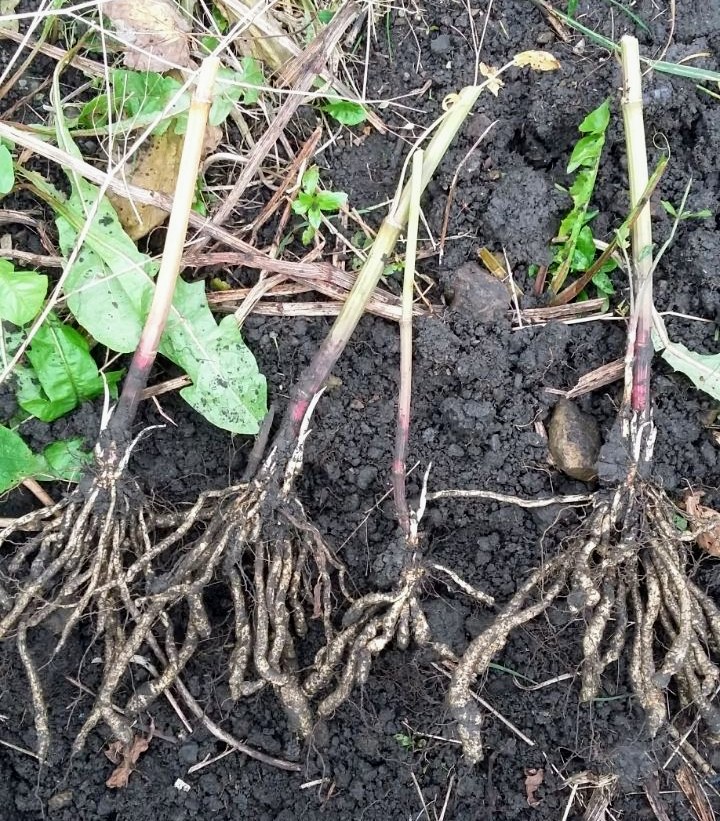
Sunchokes
Perennial plant for edible tubers harvested in autumn, also a good seasonal windbreak. Grow in sun. In the sunflower family, so in some summers will produce small sunflowers. Very little care needed, good famine plant. Contains inulin, which some may find a little hard to digest. Roast like potatoes but not for as long, or can be pickled.
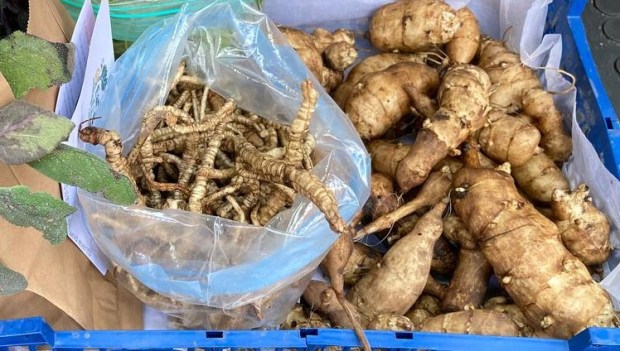
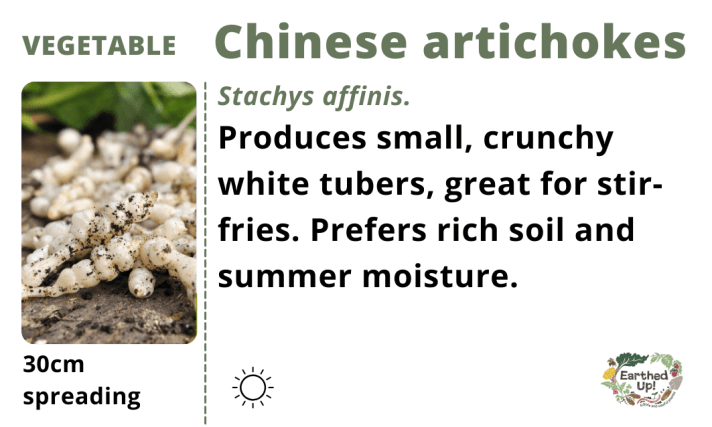
Chinese artichokes
Perennial plant for the small, crunchy edible tubers harvested autumn through to spring. Use like water chestnut in stir fries or just snack on it raw. Looks like a mint, is related to mint, doesn’t smell. Grow in sun or part shade.

Leaf crops
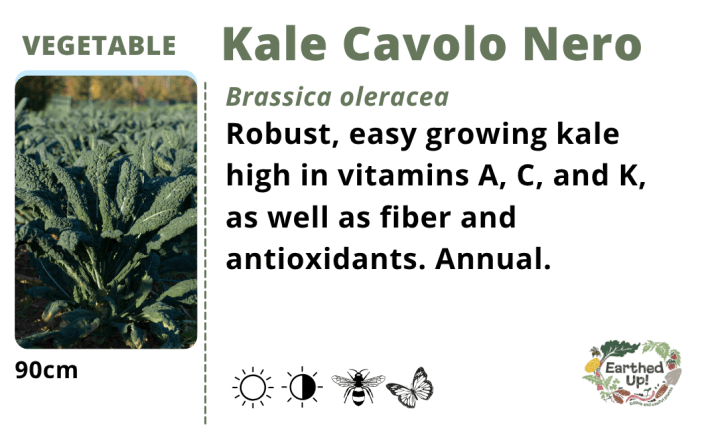
Perennial kales
Taunton Deane – growing to large shrub size, over 2 metres wide and high. Hardly ever flowers, so is long lived. Purple tinged stems. Mild flavour.
Daubenton’s – low-growing with small leaves that are good in salads or cooked.

Good King Henry
Perennial kale growing to large shrub size. Hardly ever flowers, so is long lived. Purple tinged stems. Mild flavour.

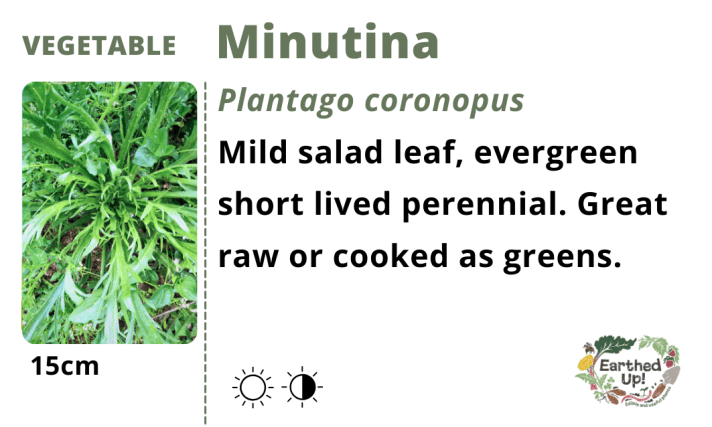
Minutina
Also known as buckshorn plantain owing to its relation to those native plants. A perennial salad leaf, good as a base. Evergreen for us!

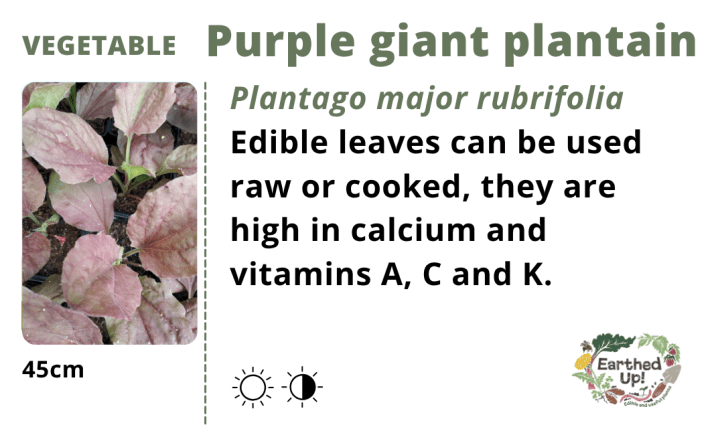
Purple plantain
A beautiful purple leaves form of broad leaved plantain. It looks great, grows well, young leaves can be eaten and they are used medicinally on the skin.

Herbs
Comfrey Bocking 14
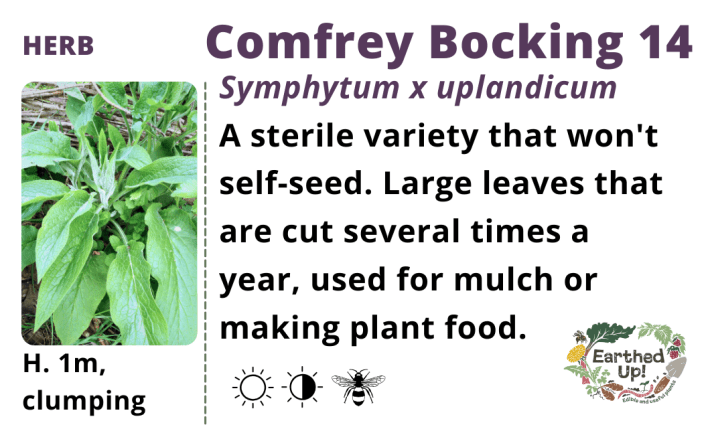
Deep rooting perennial mineral accumulator, high in potassium. Leaves can be cut to make plant feed or added to your compost heap. Can be cut up to 4 times a year if in fertile soil. Left to flower, it provides nectar adored by bees. This variety doesn’t produce viable seed so is propagated by roots.

Marshmallow
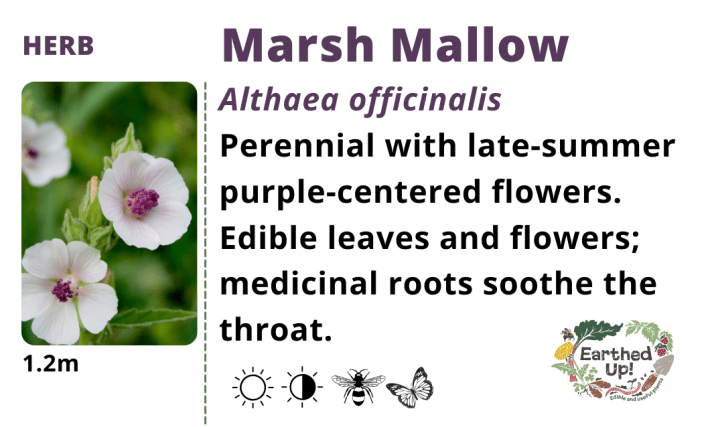
Attractive perennial growing to 1.2 m. Small purple-centred flowers later summer. Leaves eaten raw or cooked, also flowers raw. Roots are used medicinally.
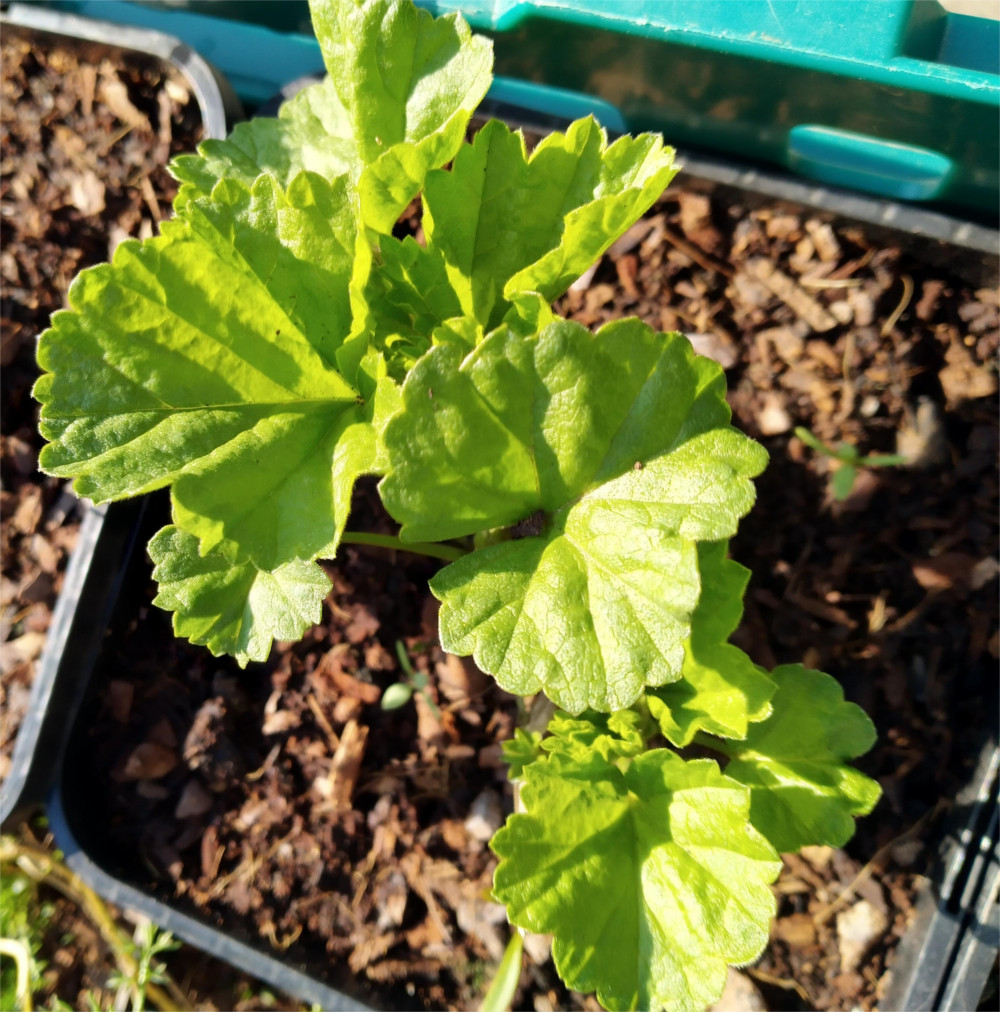
Mints
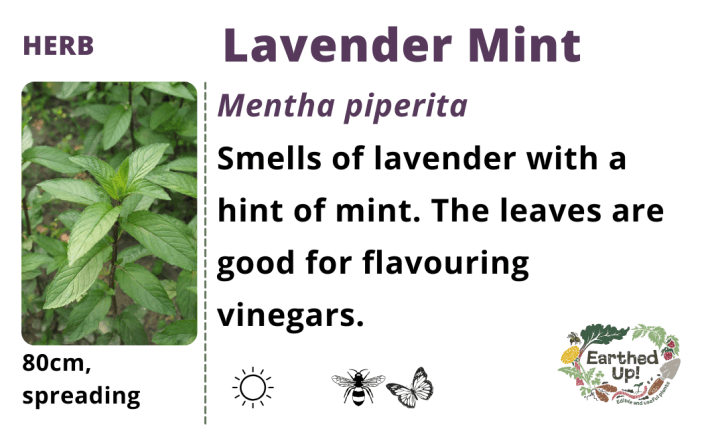
Moroccan (top photo), Chocolate mint (bottom photo), Black peppermint, Bowles mint, Apple mint, Ginger mint, Blackcurrant mint, Pineapple mint, Strawberry mint. A delectable selection for different uses.
Strawberry mint is delicate, good in salads or summer cocktails. Moroccan is a strong all rounder, for yoghurt dips or on your new potatoes. Peppermint and Bowles make nice teas. Apple mint forms a dense ground cover.

Fennel
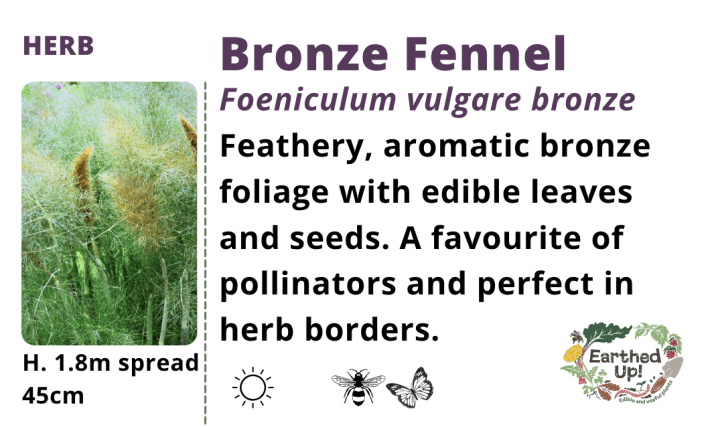
Native, perennial herb. Architectural. Self seeds moderately. Great for snacking on in the garden with its aniseed flavoured leaves. The tall umbel flowers are great for pollinators. If left to set seed, these can be harvested for use in sauces, breads etc.

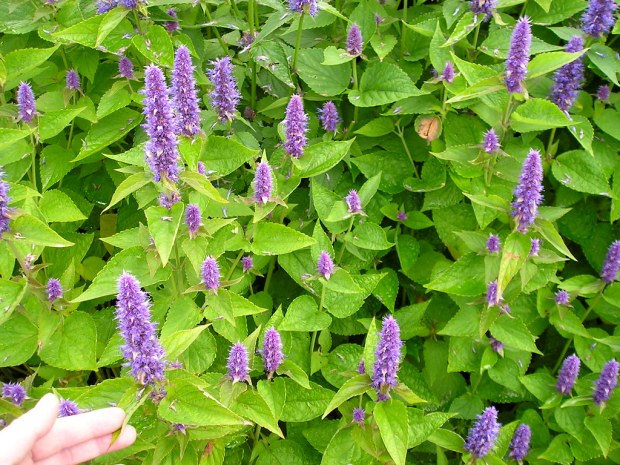
Korean Mint
Agastache rugosa
A lovely perennial herb for people and bees, spikes of purple flowers. Has a mild aniseed flavour great for tea, or leaves used in stir fries. Clumps up year on year.

We have many more plants too. This is just a selection.

