At the time of writing the UK has hit its fifth heat wave of the summer. The land is parched beyond recognition, a swathe of tinder dry pale yellow that crunches to dust under our feet. It can feel like any solution to this is vastly beyond our reach – what, after all, can a single garden do to try and stem the ruin of two centuries of capitalist exploitation?
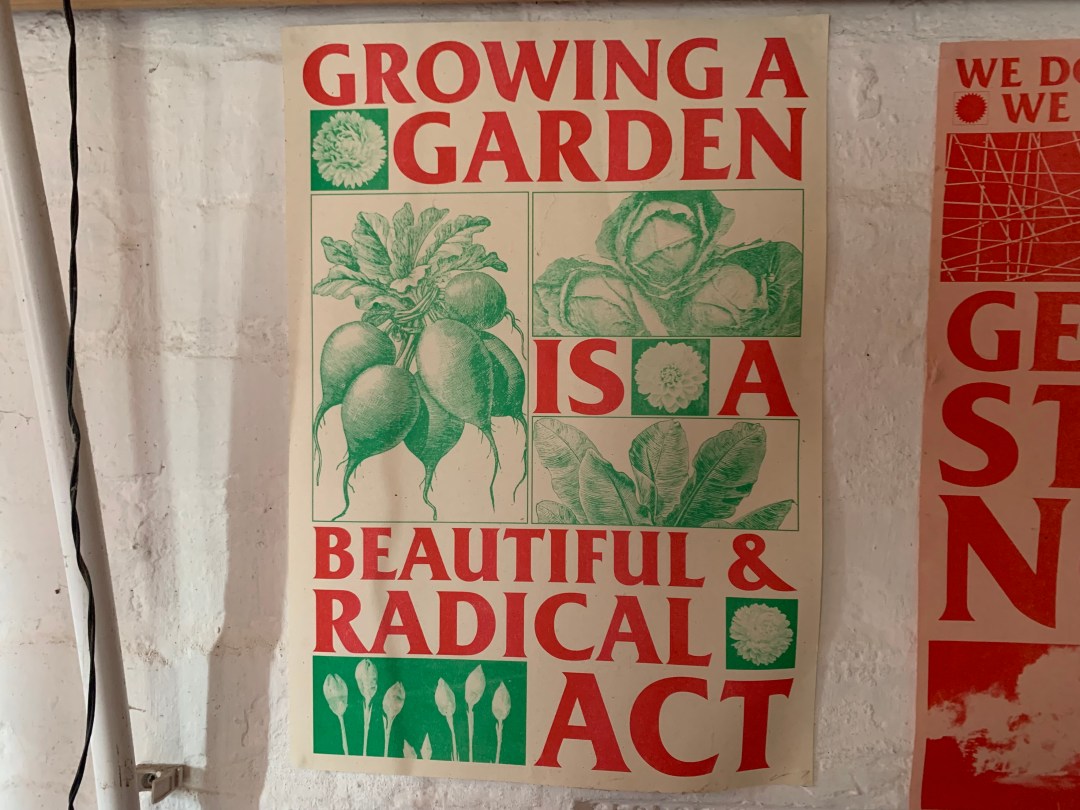
There’s a poster hanging in my house that carries a simple message – Growing a Garden is a Beautiful and Radical Act (printed by the fine people at Black Lodge Press). And that statement is more true now than it ever has been. As the heat rises and the climate is irrevocably changed, the impetus is on each of us to take care of the land we have stewardship over, to try and reclaim an oasis of life amidst the biggest mass extinction event the planet has ever faced.
As individuals there’s little we can hope to achieve on our own; but as gardeners, if we start working towards a collective horizon of sustainable, agroecological, permaculture-minded growing, we can perhaps begin to claw back some of the ground we have literally lost. We can start exploring the new potential of gardening in the end times.
And because this is the internet, here are five things to consider, at whatever point of your gardening journey you’re at, if you’re interested in joining a growing band of radicals who are choosing to grow plants for the future.
What’s alive?
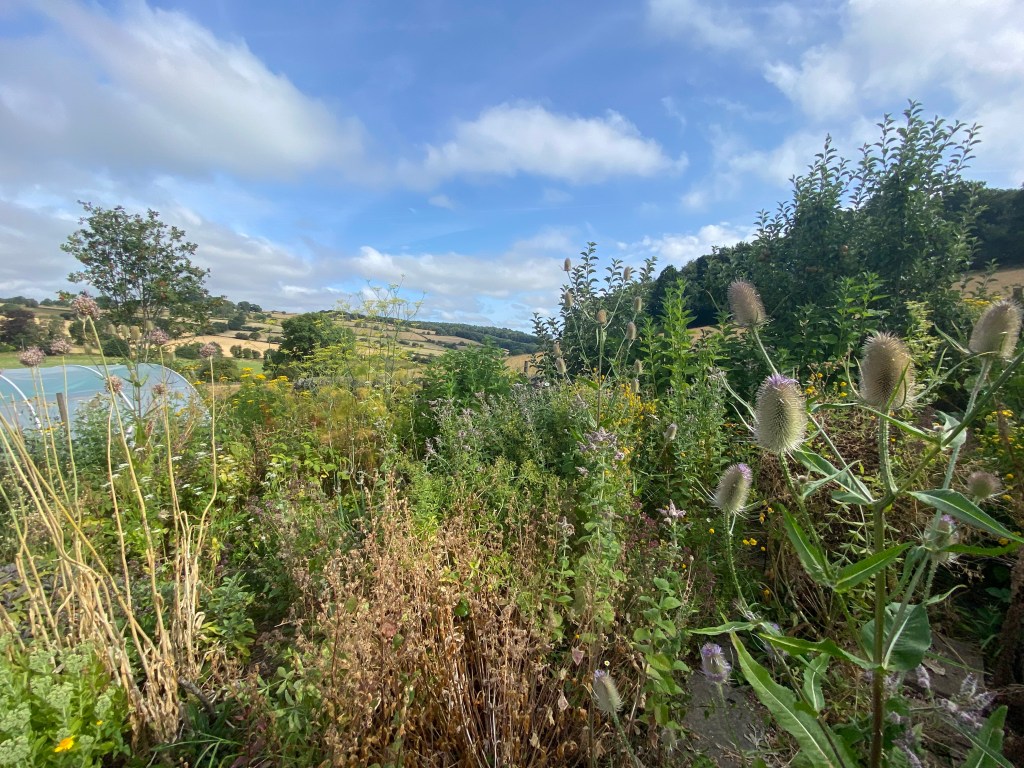
Look outside right now. Which of your plants are thriving? Which are suffering the most? Your garden is telling you a story of what the future might look like. There are plants that are better able to cope outside of the ecological niche we’ve enjoyed in this country, and those may well be the ones we’re going to need more of.
Experiment, try new plantings in new places – it’s a rigidity of thinking that has lead us down our current path, but nature is a deeply malleable and changeable set of interlocking systems. It’s time to learn what it’s trying to teach us rather than imposing an outdated set of ideological patterns on top of it.
What do I need?
Fruit, vegetables, herbs, perennial plants that come back year after year and can provide food and flavour. Any veg you’re buying from a supermarket has travelled to get there, has been refrigerated and packed, often wrapped in plastic. All of these things incur a cost to the environment that we can ill afford.
Growing your own can soak up some of that cost, can begin to shift the dial ever so slightly. Don’t aim for self-sufficiency, focus on a couple of plants, a small herb garden, a few fruit trees it you can. You’ll save money and will be better placed to absorb any future shortages.
Where’s the Water?
One thing that’s almost guaranteed if the weather continues on its current trajectory is that water’s going to be scarce in the summer months. While we can mitigate for that with what we plant, there are few plants that can live without some form of regular water.
As hosepipe bans become more likely, finding a way to store water for more desperate times is going to be essential. Installing some water butts can be a good start. Hook them up to a down-pipe to collect the rain when it comes and you’ll have a free supply when you need it most.
Compost and mulch
It’s not just your plants that are suffering under the drought conditions, your soil is as well. Creating your own compost heap, or using another source of peat-free mulch, is a great way to add the lost nutrients back into your garden.
It can also help with retaining moisture and giving your plants a slow-release source of some of the good stuff they need to survive when things get hard. Compost heaps reduce waste and can be a great habitat for creepy crawlies and other garden friends too.
Let it go
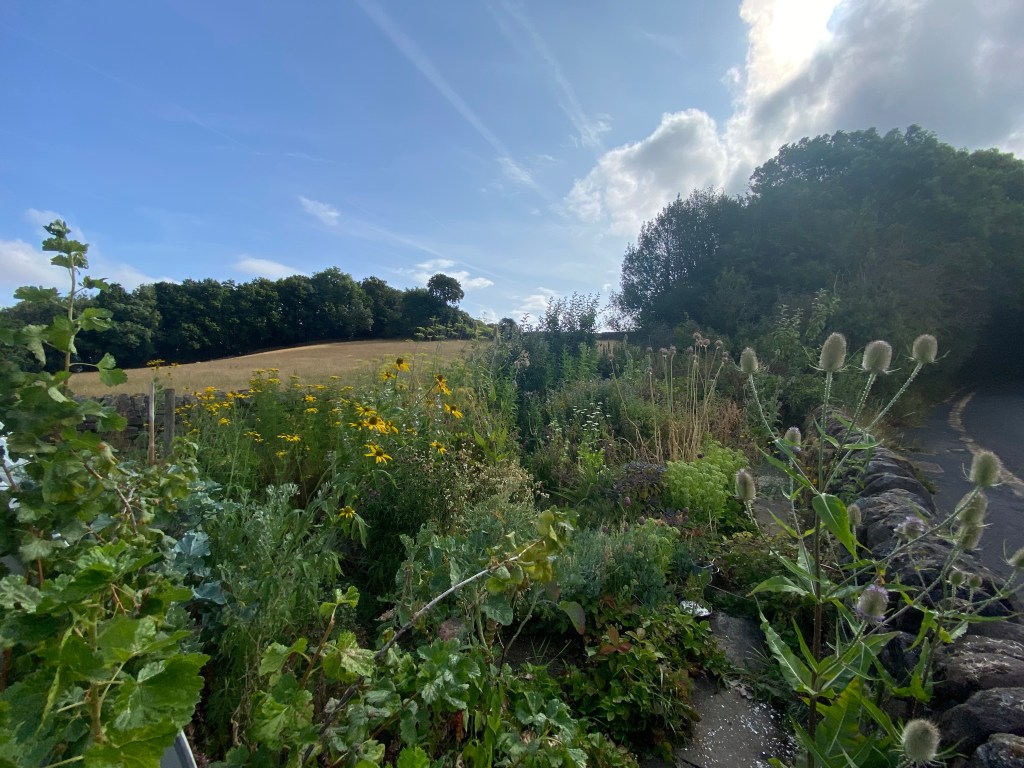
We’ve learned that chaos is the enemy of a good garden, that everything has its place and it’s up to us to put it there and make sure boundaries are strictly adhered to. Go to a forest and find the boundaries there. Nature is wild and expansive, a tangling of cultures that thrive because of the support and freedom they offer each other.
Abandoning mono-cultural thinking can be small, giving a corner of your garden back to the wilderness, or it can be much bigger – replacing your lawn or building a pond. Thinking outside of the structures that have brought us to this crisis is the first step in walking in a new, greener, healthier direction.
If you need help designing your garden, knowing what to plant where, buying compost or learning about permaculture, please get in touch. We’re a not-for-profit workers co-operative, and together we can work for a brighter, better future for all of us.

